All Categories
Featured
Table of Contents
Cities that execute a structured municipal digital change strategy acquire much better spending plan allotment, enhanced resident engagement, and data-driven decision-making abilities. This is where a clear clever city roadmap becomes your competitive advantage. 15-30% Operational cost reduction through clever infrastructure optimization 40% Average reduction in energy consumption with IoT tracking 3-5 years Typical repayment duration for clever city capital expense 60%+ Enhancement in emergency response times with incorporated systems Application Foundation Smart city IoT implementation is the physical structure upon which all analytics and citizen services rest.
Without extensive IoT facilities, your data collection capabilities remain fragmented and insights remain minimal. A successful clever city guide highlights phased IoT rollout: start with high-impact usage cases (traffic management, utility tracking, public lighting), develop robust connectivity networks (5G, LoRaWAN, mesh networks), and develop standardized information collection protocols. Develop unified connection through 5G networks and LoRaWAN entrances guaranteeing 99.5%+ uptime with standardized data procedures.
Protect working facilities financial investments while modernizing information collection abilities. Your IoT release directly impacts the quality of insights your clever city method can provide.
Data Intelligence Raw sensing unit information is useless without an effective information platform to aggregate, process, and change it into actionable intelligence. Your smart city infrastructure needs a central information center that collects details from countless sourcesIoT sensing units, traffic cams, weather stations, citizen apps, energy systemsand unifies it in formats that analytics and AI designs can consume instantly.
Essential Enterprise Digital Developments for 2026
Cities that develop appropriate information structures see decision-making cycles compress from weeks to minutes. Traffic optimization algorithms lower blockage by 20-35%, predictive upkeep systems cut facilities failures by 40%, and person service platforms enhance action fulfillment from 65% to 85%+. Book a demonstration to understand how enterprise data platforms power world-class wise city operations.
Allow any department to query city information without friction or information silos. Real-Time Analytics and Choice Support Deploy streaming analytics that process incoming data continuously, determining patterns and anomalies within seconds for instant operational enhancements. Predictive AI Designs for Urban Preparation Build machine learning models that forecast facilities demand, citizen service needs, and resource requirements.
The distinction between a having a hard time clever city implementation and a thriving one often comes down to information platform quality. Cities spending 25-30% of clever city spending plans on information facilities see 3-4x much faster time-to-value compared to those cutting corners.

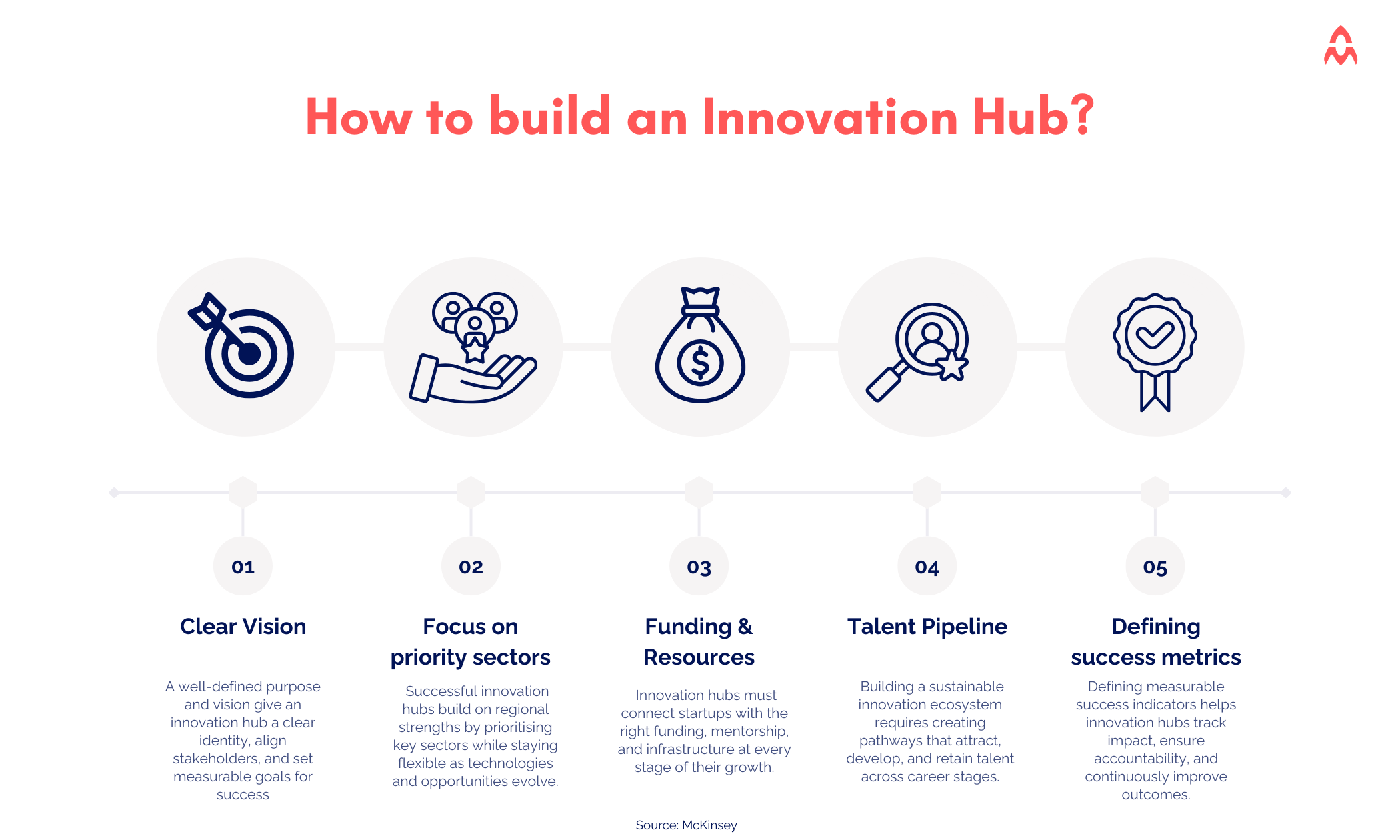
The proven technique divides wise city advancement into unique stages, each providing quantifiable value and creating momentum for the next stage. Stage 1 Foundation and Preparation (Months 1-6) Establish your wise city strategy foundation by recognizing top priority usage cases aligned with city objectives. Conduct thorough evaluations of existing facilities, figure out IoT deployment areas, and build stakeholder alignment across departments and resident groups.
Result: Authorized clever city roadmap with clear results and stakeholder buy-in Phase 2 Pilot Deployment and Quick Wins (Months 6-12) Introduce initial smart city applications in 1-2 high-impact domains (traffic management, parking, street lighting). Deploy IoT sensing units in chosen locations, establish connection facilities, build preliminary information platform, and create first control panels.
Optimizing Value through Connected Infrastructure Assets
Result: Pilot success showing 15-25% operational enhancement and user adoption above 40% Phase 3 Platform Expansion and Combination (Months 12-18) Scale effective pilots throughout the whole city. Expand IoT implementation to all planned locations, incorporate extra information sources (energies, emergency situation services, preparing systems), and improve analytics designs with extra predictive abilities.
Outcome: City-wide clever city platform with integrated services and quantifiable ROI accomplishment Stage 4 Optimization and Advanced Capabilities (Months 18-24) Fine-tune operations through constant optimization, advanced AI design refinement, and resident feedback combination. Implement sophisticated cross-domain optimization that substances performance gains. Present new services: ecological tracking control panels, real-time budget tracking, and predictive resource allotment.
Cities following phased execution total projects 35% faster, remain within budget plan 80% of the time, and achieve 60%+ greater citizen adoption compared to big bang approaches. Person Engagement Smart city infrastructure succeeds or fails based upon person adoption and complete satisfaction. The best information and analytics mean nothing if people don't understand city services, can't access them quickly, or do not rely on federal government with their info.

Latest Posts
Integrating Smart Infrastructure for Drive Sustainable Innovation
Navigating Rapid Digital Development Trends
Comparing Traditional R&D and Agile Innovation Cycles